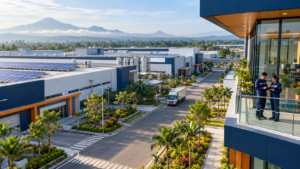
The value of a place depends on how its spaces, access and services work together. Real estate and hospitality should be planned alongside the infrastructure that supports them.
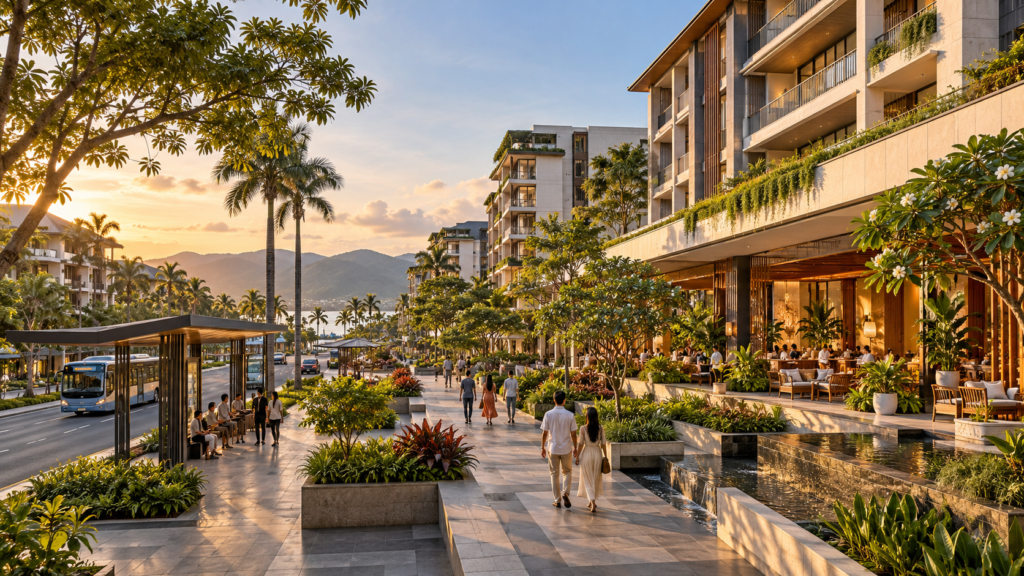
The quality of a place extends beyond the appearance of its buildings. Residents need convenient access and dependable services. Hotel guests consider the journey to their destination as well as the stay itself. Businesses need an environment that supports everyday activity.
These needs connect real estate, infrastructure and hospitality through a shared question: how effectively does a place support the people who arrive, work, live and spend time there? Answering it requires attention to both development and long-term operation.
Understand Users Before Designing Buildings
Property planning should begin with an understanding of intended users. Homes, commercial premises and hotels have different patterns of use. A location suitable for one purpose may offer different advantages or constraints for another. Assessment should consider demand, access to services, the surrounding environment and the proposed management approach. Attractive architecture needs a clear reason for people to use the space.
Treat Infrastructure as an Operating Foundation
Access roads, drainage, water, energy and connectivity contribute to a development’s readiness. Capacity and maintenance requirements should be considered alongside expected use. The relationship between vehicle access and pedestrian routes also affects convenience. After construction, clear responsibilities are needed to keep facilities working and resolve problems. Evaluation should therefore include the resources required to operate the development throughout its use.
Connect Hospitality with Local Activity
Hotels and leisure facilities should have a practical relationship with surrounding activities. Business travel, events, tourism and family visits create different service requirements. Local suppliers and workers can also be considered during planning, with participation grounded in actual operating needs, clear service expectations and the ability of each party to deliver.
Define Long-Term Value in Practical Terms
Sustainability objectives need to inform decisions that can be evaluated. Energy and water use, waste management, outdoor comfort and accessibility are examples of relevant considerations. Targets should reflect the conditions of the development. Real Estate, Infrastructure & Hospitality is one of BIU’s stated investment focus areas. Looking at these sectors together helps assess whether a proposal combines genuine user needs, suitable facilities and a credible management plan.